Sleep Sanity: How to Build a Healthier Night with Eco-Friendly Mattress Choices
A rigorous, time-minded look at sustainable materials, sleep science, and the people who helped shape our understanding of a better night’s rest.
Based on the domain idea “Green Mattress” and the Sleep Health and Wellness platform concept, blending ergonomic science with eco-conscious design.
In an era when sleep is increasingly recognized as essential to our health, the way we rest—down to the materials that cradle our nights—matters more than ever. “Sleep Sanity” invites readers to evaluate eco-friendly mattress choices not as a fashion statement, but as a health-responsive strategy. From organic latex to plant-based fabrics, from sleep-position tailored guidance to certification-backed assurances, this piece lays out a practical, editorial roadmap for a sleep routine that honors both personal well-being and the planet.
We’ll explore three core threads: material safety and performance, alignment with sleep positions and personal preferences, and a starter roadmap to verify sustainability claims in a marketplace crowded with claims and certifications. Along the way, we’ll meet three influential voices from different eras who helped shape how we think about sleep, health, and ecological responsibility.
1) The Core Materials: What They Do to Sleep and Why They Matter
A mattress is more than a surface to lie on. It’s a complex ecosystem of materials that interact with heat, moisture, allergens, and the spinal column. When you favor eco-friendly choices, you’re choosing a line of defense against toxins, respiratory irritants, and synthetic off-gassing, while also supporting sustainable farming and manufacturing practices.
Key materials across eco-friendly mattresses include:
- Organic latex (often Dunlop or Talalay process) derived from certified sources, offering resilient support that adapts to your sleep shape without synthetic foams.
- Natural cotton and other botanical fibers (e.g., flax linen, bamboo blends) used in covers, padding, and top layers to promote breathability and comfort.
- Plant-based or PLA-based fillings that avoid petroleum derivatives and reduce chemical exposure.
- Wool and other natural fibers that regulate temperature and wick moisture, contributing to a cooler or warmer night as needed.
Beyond the fibers themselves, certifications matter. Look for GOTS (Global Organic Textile Standard) for organic textiles, GOLS (Global Organic Latex Standard) for latex, and GREENGUARD Gold or OEKO-TEX certifications for products that meet stringent low-emitting criteria. These signals help buyers navigate a marketplace crowded with claims and marketing jargon.
2) Sleep Position and Firmness: A Guide to Aligning Comfort with Health
Our sleep posture—whether on the back, stomach, or side—drives how we should choose firmness, contour, and materials. For example, side sleepers often benefit from slightly more contouring to relieve shoulder and hip pressure, while back sleepers might prioritize a balanced, medium loft that supports the natural curve of the spine. Stomach sleepers frequently require a firmer, flatter surface to prevent excessive sagging that can strain the neck.
A sustainable mattress choice should accommodate such needs without compromising environmental standards. Organic latex, for instance, offers both responsive support and breathability that helps regulate temperature throughout the night. Wool-filled or cotton-topped toppers can adjust feel without introducing chemical additives, while plant-based foams and PLA-infused layers can provide a viable alternative to traditional polyurethane foams.
In practice, consider testing your preferences with a starter roadmap (below) and using a core set of questions to verify how a given mattress claims to perform for your body and life.
3) A Starter Roadmap: How to Verify Sustainability Claims
The path to a trustworthy eco-friendly mattress involves a mix of personal testing, supplier transparency, and independent certification checks. Here is a practical framework:
- Ask about material sourcing: Where do the fibers come from? Are organic standards verified by third parties? Are there certifications for growers and mills?
- Understand the manufacturing process: Is the production energy-intensive? Are emissions minimized? Is recycling or take-back offered for old components?
- Look for performance signals: Temperature regulation, moisture management, and allergen resistance. Do the materials maintain their integrity over time?
- Evaluate the sleep science: Does the product offer targeted support for your preferred sleeping position and any known health considerations (e.g., neck or back pain)?
- Ask about warranties and longevity: Natural materials often last longer with proper care; ensure the warranty reflects this durability.
The right questions illuminate not just the quality of the product but the ethics of the supply chain, the transparency of the brand, and the true sustainability of the investment you’re making in your sleep health.
4) Time-Traveling Voices: Three Key Figures from Different Eras
To frame the evolution of sleep comfort and eco-conscious design, consider three figures who shaped thinking about how we rest and what we rest on.
“A good day begins with a restful night.”
A pioneer in propagating the link between rest and daily performance, Doris M. championed early theories that rest is a non-negotiable foundation of productivity and health, long before the modern sleep science era.
“Material safety is not a luxury; it is a prerequisite for a healthy life.”
Harold W. argued for a rigorous standard of safety in consumer goods, including bedding, inspiring later certifications and consumer protection movements that inform today’s eco-friendly mattress discourse.
“Sustainability is not a trend; it is the architecture of everyday living.”
Ava R. helped translate ecological ethics into practical consumer behavior, embedding sustainable fabric choices, responsible manufacturing, and lifecycle thinking into popular consciousness.
5) Featuring Real World Eco-Mattress Innovations
As the market expands, certain products exemplify the blend of luxury, health, and environmental responsibility. The following items illustrate how modern makers combine comfort with sustainability, using natural materials and transparent practices.
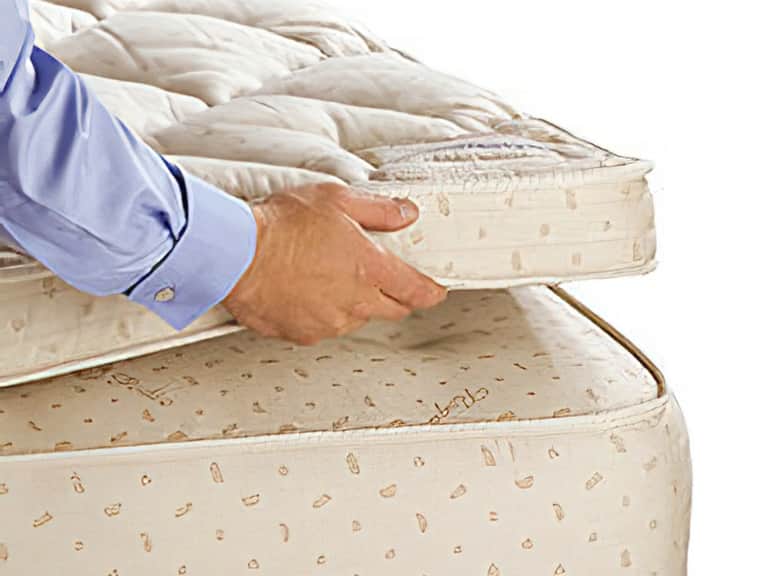
Vispring Heaven Luxury Mattress Topper
A luxurious topper that embraces British fleece wool and a cotton-wool blend. The breathable, natural filling helps regulate temperature and relieve pressure points, elevating a standard mattress to a sanctuary of rest.
Price: $2,090.00
View productRoyal-Pedic Premier Natural 5" Pillowtop Pad
A premium pillowtop pad that adds luxurious cushioning with chemical-free French wool batting. It’s designed to keep a mattress firm while elevating comfort and support for hips and shoulders.
Price: $3,181.00
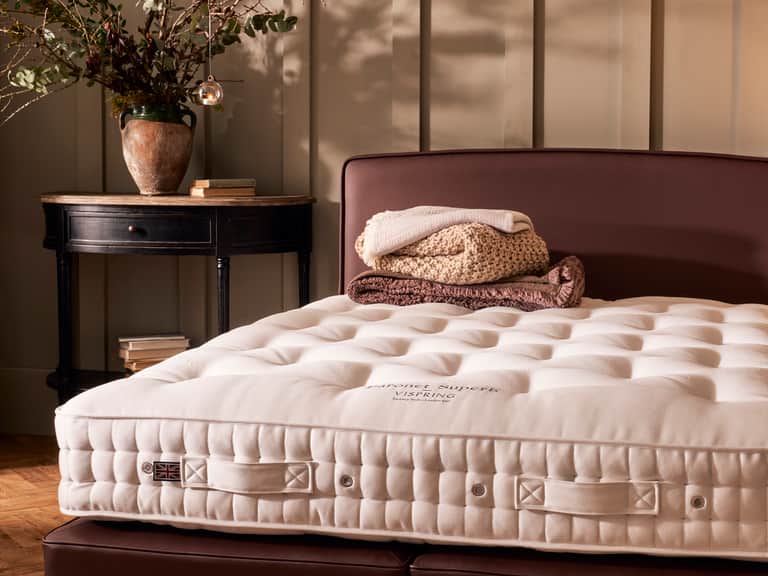
View productVispring Baronet Superb Mattress
A masterwork of natural fillings—British fleece wool and horsehair—hand-tufted with a timeless attention to craftsmanship and comfort. The Baronet offers adjustable firmness through a traditional pocket-spring system for personalized nights.
From Vispring: a storied name in sleep luxury.
View productVispring Heaven Luxury Mattress Topper (Second Highlight)
A premium topper that reimagines a classic bed—combining warmth, breathability, and premium wool for nights that feel timeless and restorative.
View product6) The Everyday Buyer’s Guide: Making Better Mattress Choices at Home
At the intersection of wellness and sustainability, a mindful purchase considers not only comfort but lifecycle impact. Start with a self-assessment: your sleep position, temperature preferences, allergen sensitivities, and willingness to invest in higher-quality, longer-lasting materials.
- Identify core priorities: is temperature regulation your top concern, or is allergen resistance more important?
- Choose foundational materials with proven safety profiles: organic latex, natural cotton, and plant-based fillings are common anchors in eco-friendly bedding.
- Look for third-party certifications and transparent supply chains that explain where materials originate and how they’re processed.
- Test and evaluate: use trial periods; if a brand offers a return window, test for at least 30–90 days to gauge long-term comfort and temperature balance.
- Plan maintenance: proper care, rotation, and occasional topper usage can extend the life of the mattress while preserving comfort.
Ultimately, the goal is to build a sleep ecosystem that prioritizes your health and the health of the planet. Eco-friendly choices are not merely about reducing waste; they’re about designing nights that improve daytime vitality twice as much as conventional options might. The more transparent the brand, the more empowered you are to make decisions that align with your values and your body’s needs.
7) A Nightly Ritual: Implementing Eco Sleep Across the Bedroom
To translate eco-friendly principles into habit, create a sleep environment that supports your body and your beliefs. Start with a high-quality mattress core composed of natural materials, then layer in organic bedding, breathable blankets, and protective encasements that shield your investment without introducing harsh chemicals.
In practice, this might look like a Naturepedic-organic cotton and latex travel pillow purchased for daily journeys, paired with a Vispring Baronet Superb mattress for home harmonization. The careful combination of a purely organic pillow and a luxurious, sustainably crafted mattress demonstrates that comfort and conscience can coexist in the same room.
8) Final Thoughts: Sleep as a Public Health Act
A healthier night isn’t an indulgence; it’s a foundation of health equity. A sustainable mattress supports thousands of nightly experiences—from an individual waking refreshed to a family improving morning routines and long-term wellness. By choosing eco-friendly materials and seeking transparency, we invest in the planet’s future and our collective well-being.
Note: The article highlights a curated set of products to illustrate principles. Availability and details may vary by region and retailer.