Furniture encompasses a range of designed objects that combine form, function, and ergonomics to support daily living. This category highlights how materials, construction methods, and aesthetic considerations influence durability, comfort, and space utilization in residential environments. Understanding the distinctions between seating, sleeping, and storage pieces aids in selecting appropriate solutions for various rooms and uses.
Key furniture elements include frame construction, upholstery options, and finishing details that affect longevity and care requirements. For example, frame types such as hardwood or plywood influence stability, while fabrics or leathers determine maintenance needs. Knowledge of these factors helps identify suitable materials for climate, lifestyle, and room lighting conditions.
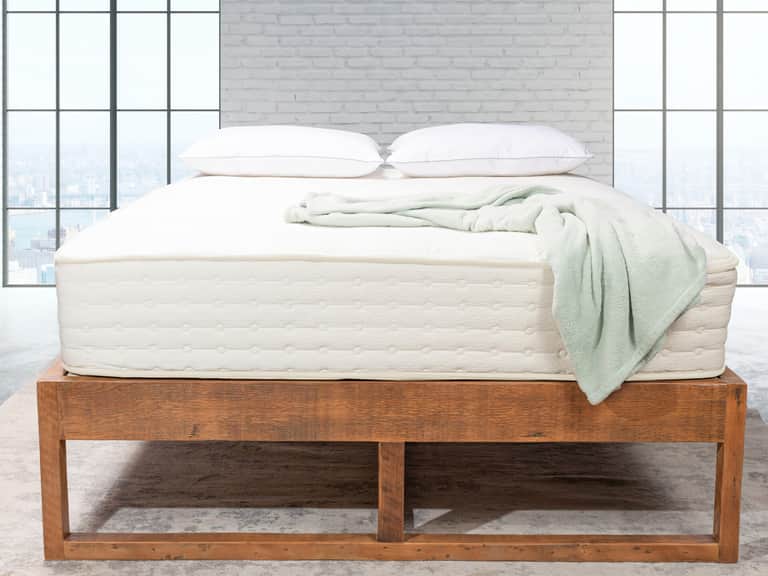
The Clean Bedroom Taconic Bed exemplifies how design integrates practicality with comfort. Its features may include a solid foundation, breathable surface materials, and thoughtful dimensions that support proper spinal alignment and restful sleep. Such beds illustrate the relationship between support systems and sleep quality, as well as how form complements function.
In addition to beds, the furniture category intersects with bedding accessories like adjustable beds, latex mattresses, and pillows designed to optimize rest. While examining options, consider how adjustable bases impact ergonomics, airflow, and individualized support. The inclusion of latex highlights hypoallergenic options and responsive feel that can suit different sleeping preferences.
Understanding furniture within a holistic space planning approach involves evaluating scale, room function, and storage solutions. For travelers or multifunctional rooms, compact or modular pieces may maximize usability without sacrificing aesthetics. Integrating these considerations with related items such as travel pillows and bedding complements, enhances overall comfort and environmental harmony.
 Furniture