Understanding Eco-Friendly Mattress Materials
In recent years, the mattress landscape has shifted toward natural materials that align health with environmental stewardship. The key materials you'll encounter include organic cotton, natural latex, and responsibly sourced wool. Each comes with trade-offs in durability, feel, and heat management.
Organic cotton serves as a core layer in many mattresses and toppers. When GOTS-certified, it guarantees a chain of custody from field to finish, with strict limits on harmful chemicals. Natural latex, sourced from rubber trees, offers durable support and resilience, often with excellent pressure relief. Wool, used alone or in blends, brings temperature regulation and moisture management, contributing to a cooler sleep surface in warm months and warmth in cooler seasons.
Beyond individual materials, the structural construction matters: pocket springs, modular toppers, and layered padding all influence how a bed feels and performs. Heavier premium toppers—such as those featuring wool batting or layered natural fibers—can provide lasting comfort, but they may also require careful care to maintain loft and avoid heat buildup.
Certifications as a Trust Signal
When evaluating eco-friendly options, certifications act as a critical map. Look for:
- GOTS (Global Organic Textile Standard): verifies organic content and environmental processing standards.
- GOLS (Global Organic Latex Standard): confirms organic latex content and responsible production.
- OEKO-TEX: tests for harmful chemicals and toxins, ensuring safer textiles.
- IDS (International Down and Sleep Standards) or other animal-welfare standards for down products.
Certifications give you confidence that your mattress and its components align with health and environmental goals. They also help filter out products that overstate sustainability claims.
Sleep Position, Temperature, and Material Trade-offs
The ideal eco-friendly mattress must accommodate how you sleep. Side sleepers may prioritize pressure relief and a slightly firmer edge; back and stomach sleepers often seek spinal alignment and stability. Latex offers resilient support with robust longevity, while memory-foam alternatives—often plant-based or non-toxic—can vary in temperature sensitivity. If overheating is a concern, breathable covers and natural fibers can help, as can loftier toppers that allow air to circulate.
For hot sleepers, the pairing of an eco-friendly mattress with breathable, organic bedding creates a synergistic effect. Natural materials like organic cotton, linen, or wool wick moisture and promote airflow, helping to maintain a comfortable sleeping climate.
A Time-Swept View: Three Key Figures Across Eras
The discourse on sustainable comfort has been shaped by voices spanning centuries. Here are three influential figures who, in different periods, illuminate the ethos of a healthier, more earth-friendly sleep environment.
-
Hypatia of Alexandria (c. 370–415 CE) — Although known for mathematics and philosophy, Hypatia’s era helps us appreciate early humanism: the idea that human well-being relies on balance with nature. In our mattress discourse, this translates into seeking materials that respect ecological cycles and human health rather than exploiting resources. Hypatia’s legacy invites readers to evaluate sleep science not as a solitary pursuit but as part of a broader ethical framework.
-
Henry David Thoreau (1817–1862) — A 19th-century naturalist and writer who championed simple living in harmony with the land. Thoreau’s reflections on nature’s rhythms inspire a modern approach to sleep: choosing materials that are durable, responsibly sourced, and non-toxic, reducing waste and chemical exposure in the bedroom.
-
Jane Goodall (b. 1934) — A contemporary icon of conservation who demonstrates how small daily choices aggregate into global impact. In sleep health, Goodall’s advocacy encourages us to favor organic and ethically produced textiles, and to demand transparency from brands about supply chains and environmental footprints.
These figures remind us that sustainable comfort is not just about the moment; it’s about a continuum of care that links ancient wisdom, 19th-century reform-mindedness, and present-day scientific stewardship.
A Practical Guide to Eco-Friendly Mattress Selection
When you’re selecting a mattress with ecological consideration in mind, here’s a practical framework to keep you grounded.
- Set your priorities: durability, chemical exposure, and temperature management. If you prioritize longevity and performance under load, natural latex or wool blends may be appealing. If ultra-low chemical exposure is paramount, confirm certifications and review product disclosures.
- Assess certification scope: review what each certification covers—organic content, processing methods, and animal welfare. A claim of “organic” is not enough; certifications provide verifiable standards.
- Test the feel, then the ecology: try toppers or layered constructions to gauge support, motion transfer, and temperature. The “eco” label should align with how the bed performs for you and how it’s made for the planet.
- Pair with breathable bedding: eco-friendly mattresses thrive when paired with organic sheets, breathable duvet covers, and natural pillows that support a sustainable sleep ecosystem.
Case Studies: Three Eco-Focused Products You Might Consider
Below are representative items from reputable brands that illustrate how sustainability meets comfort. Note: these examples are meant to illustrate the landscape and are presented in a general, editorial context.
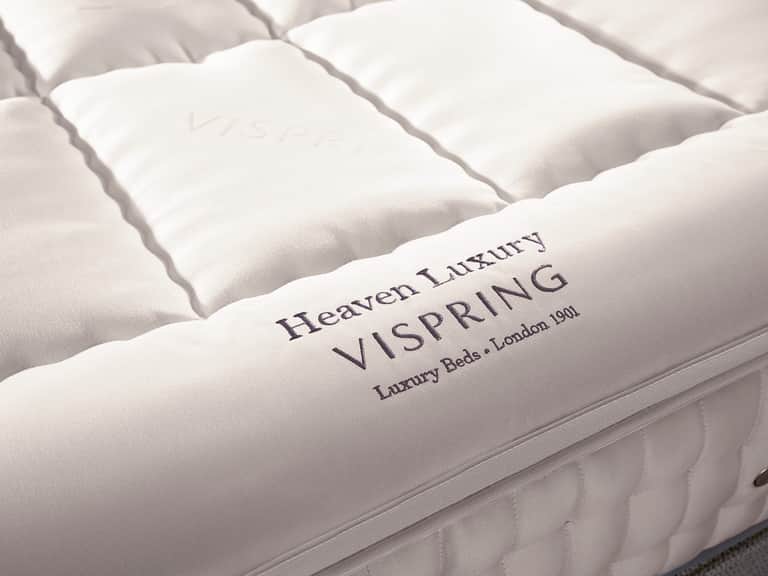
Vispring Heaven Luxury Mattress Topper
Topper with British fleece wool and cotton-wool blend
A high-end layer that adds plush comfort while maintaining breathability and temperature regulation. Wool-based fillings are known for natural moisture management and pressure relief, offering a sumptuous yet functional upgrade to an established mattress. The Vispring Heaven topper exemplifies how natural fibers can elevate rest without relying on synthetic foams.
Price: $2,090.00
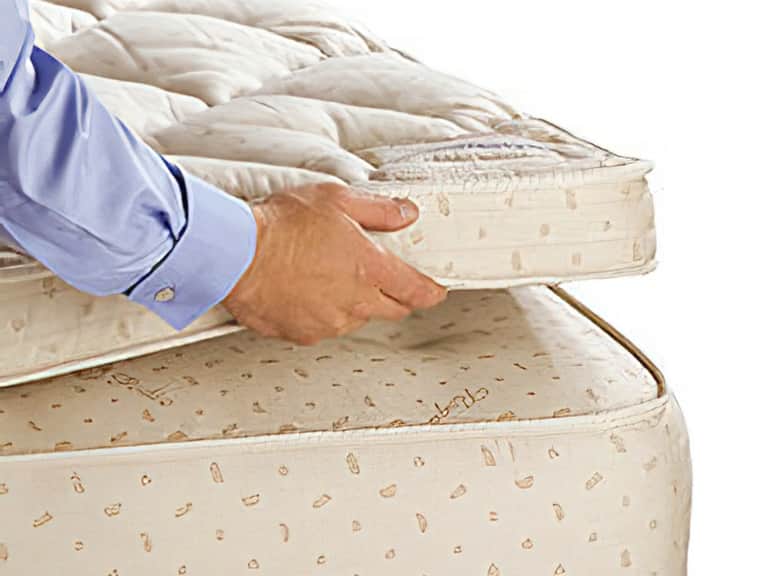
Royal-Pedic Premier Natural 5" Pillowtop Pad
Five-inch natural wool-padded topper
A luxury option that emphasizes pressure relief for hips and shoulders, with a dust-mmite resistant, chemical-free wool batting. It sits atop the mattress to deliver a customized feel without modifying the core support system of the bed.
Price: $3,181.00
Product Spotlight: A Sustainable Sleep Ensemble
Among the many brands and configurations available, a thoughtful combination can deliver comfort, health, and environmental peace of mind. Consider pairing a certified organic, natural-product topper with a mattress constructed from responsibly sourced materials, complemented by breathable, organic bedding.
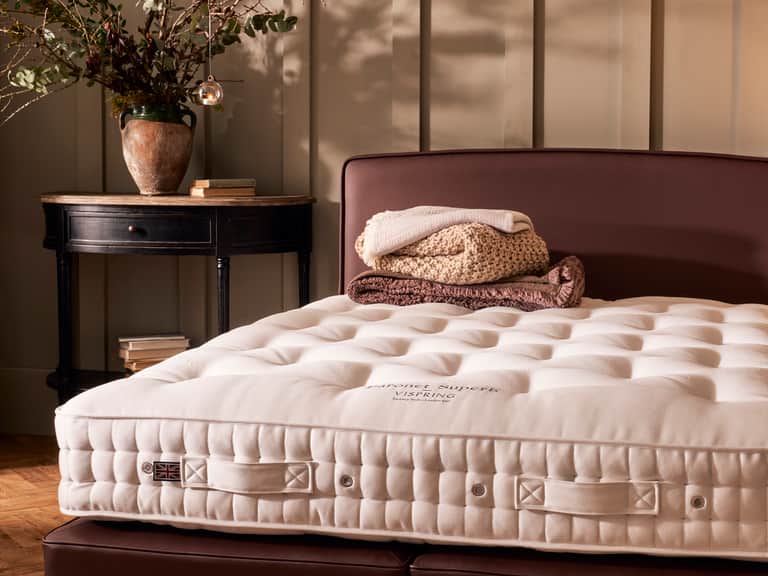
For readers seeking a concrete starting point, one notable option to explore is a Vispring Baronet Superb Mattress. A pinnacle of craftsmanship, it uses natural fillings and a hand-tufted finish for a balance of support and plushness. Pair it with a topper like Vispring Heaven to fine-tune your feel, then layer with organic, breathable bedding to optimize both sleep and sustainability.
Vispring Heaven Luxury Mattress Topper blends premium wool and cotton for temperature regulation and pressure relief. A refined addition to elevate a high-quality mattress, promoting a serene sleep environment.
While the eco-friendly mattress landscape is expansive, the core principle remains clear: prioritize non-toxic, sustainably sourced materials, verified by credible certifications, and complemented by breathable bedding that supports healthy sleep. The right combination can transform sleep from a nightly ritual into a restorative practice that honors your health and the planet.
Conclusion: Sleep Well, Live Well
The path to an eco-friendly mattress is not a single purchase but a continuum of decisions—from the materials inside the bed to the textiles that surround it. By embracing organic content, natural fibers, transparent certifications, and thoughtful design, you align your bedtime with responsible stewardship. In the timeless cadence of sleep, the best choices are those that endure—quietly supporting you tonight and for many nights to come.