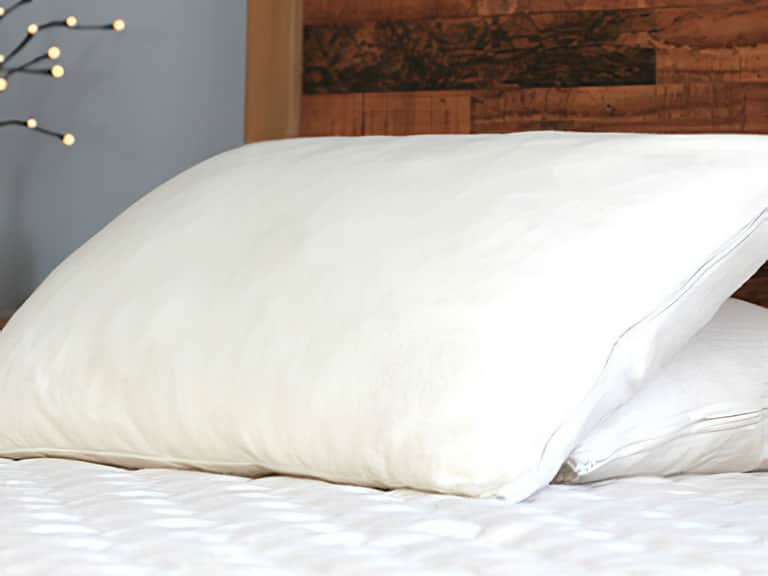
Pillows are an important part of bedding, helping support the head and neck while contributing to sleep comfort. Their feel and height depend on materials, shape, and sleeping position. Understanding these characteristics can help people compare pillow types and consider how a pillow works alongside sheets and a mattress.
Material choice influences breathability, resilience, and firmness. Natural fills such as latex and kapok have distinct characteristics: latex tends to feel springy and supportive, while kapok is lightweight and soft. Cover construction and pillow loft also affect comfort, so individual needs and preferred sleep posture are useful factors when evaluating pillows.
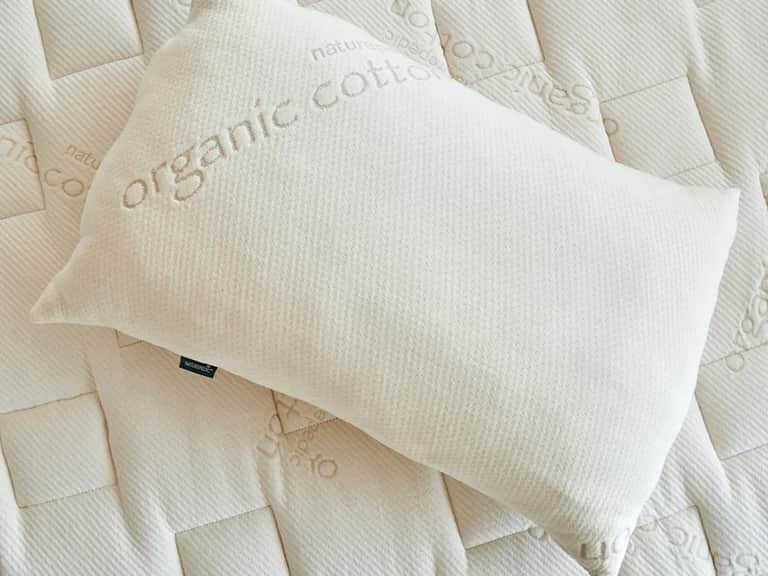
The Naturepedic Solid Organic Latex Pillow features a solid latex core designed to provide resilient support. Its buoyant structure can help maintain a consistent shape during sleep, unlike loose fills that may shift. This type of pillow may suit people who prefer a supportive, responsive feel as part of their bedding.
The Savvy Rest Organic Kapok Pillow uses kapok fiber, a naturally lightweight filling known for a soft, airy feel. Its loft and cushioning offer a different experience from solid latex, making fill preference an important consideration. A kapok pillow can be evaluated for comfort, support, and compatibility with a sleeper’s usual position.
Pillows form one part of a sleep environment that may also include sheets, organic mattresses, and organic crib mattresses. Matching materials and support preferences across bedding can help create a comfortable, practical setup. For infant sleep spaces, follow current safe-sleep guidance and use only products specifically intended for the child’s age and needs.
 Bedding